Ghost Dog is a film that manages to boast one of the most obscure synopsis ever penned, whilst painting a truly beautiful portrait of clashing traditions, ages, music, mythology and humour.
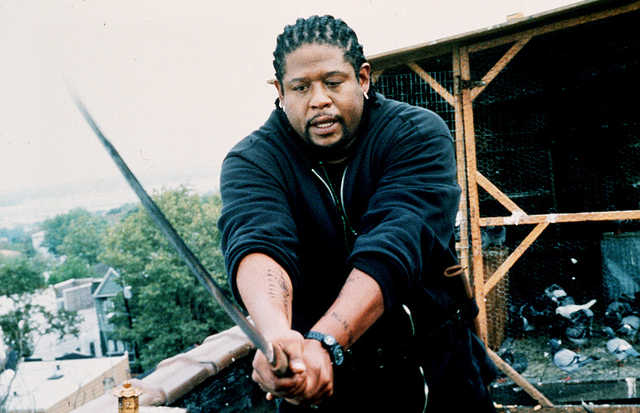
Set in Jersey City, the film stars Forest Whitaker as a carrier pigeon raising hit man, with a French ice cream vendor for a best friend, a longstanding contract with the mob and a samurai code to live by. If that hasn’t already got you hooked, it’s weaving of ancient Japanese teachings with modern inner city society ought to, and that’s without even mentioning the unforgettable score assembled by RZA of the Wu-Tang Clan.
What’s so special about it?
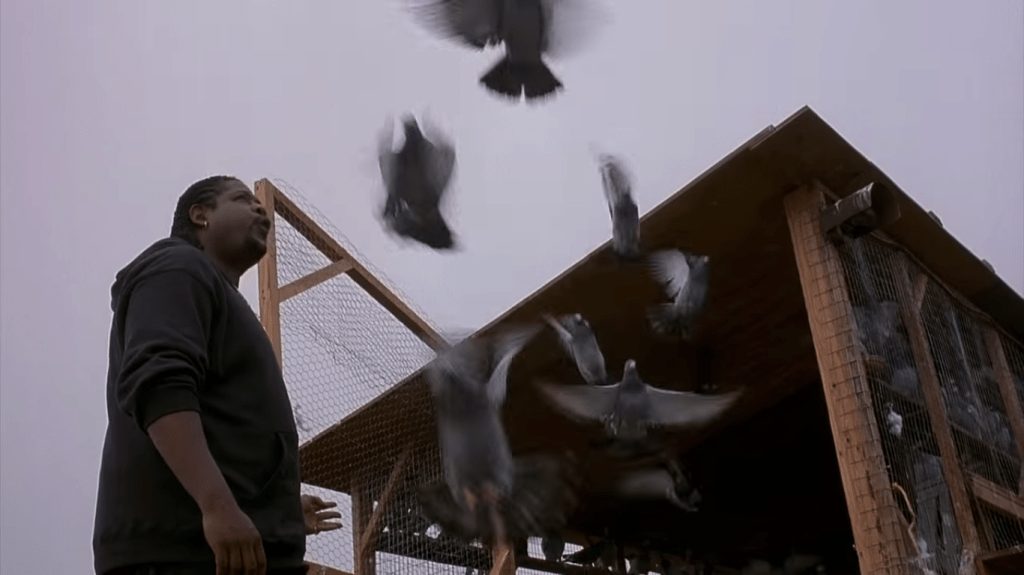
This is not the action packed thriller the summary might have suggested. Instead the film is measured with moments of true beauty within measured emptiness, contrasted against the brutal activities of the films subjects. Whether following the flight paths of pigeons or watching Whittaker practice swordplay on rooftops, a rich instrumental score backs the imagery poetically.
Ghost Dog also, however, features a strong sense of humour, most obviously between Ghost Dog and the ice cream vendor as they communicate by assumption, transcending the language barrier between them. The aged mob with their mafioso code similarly stand as a figure of fun, in their hypocritical criticism of gang culture, and in Cliff Gorman’s character’s Flavor Flav tribute, delivered with odd lyrical precision.
Final thoughts?
A clash and convergence of cultures is throughout. The film manages to spin both social commentary as well as a historical homage.
A film as sad as it is upbeat, as comic as it is deadly serious. The score will follow you as will its philosophy – it’s undoubtedly one of the greatest films you’ve never seen.
 greatestnever